The Psalms May Be Read Responsively or Antiphonally

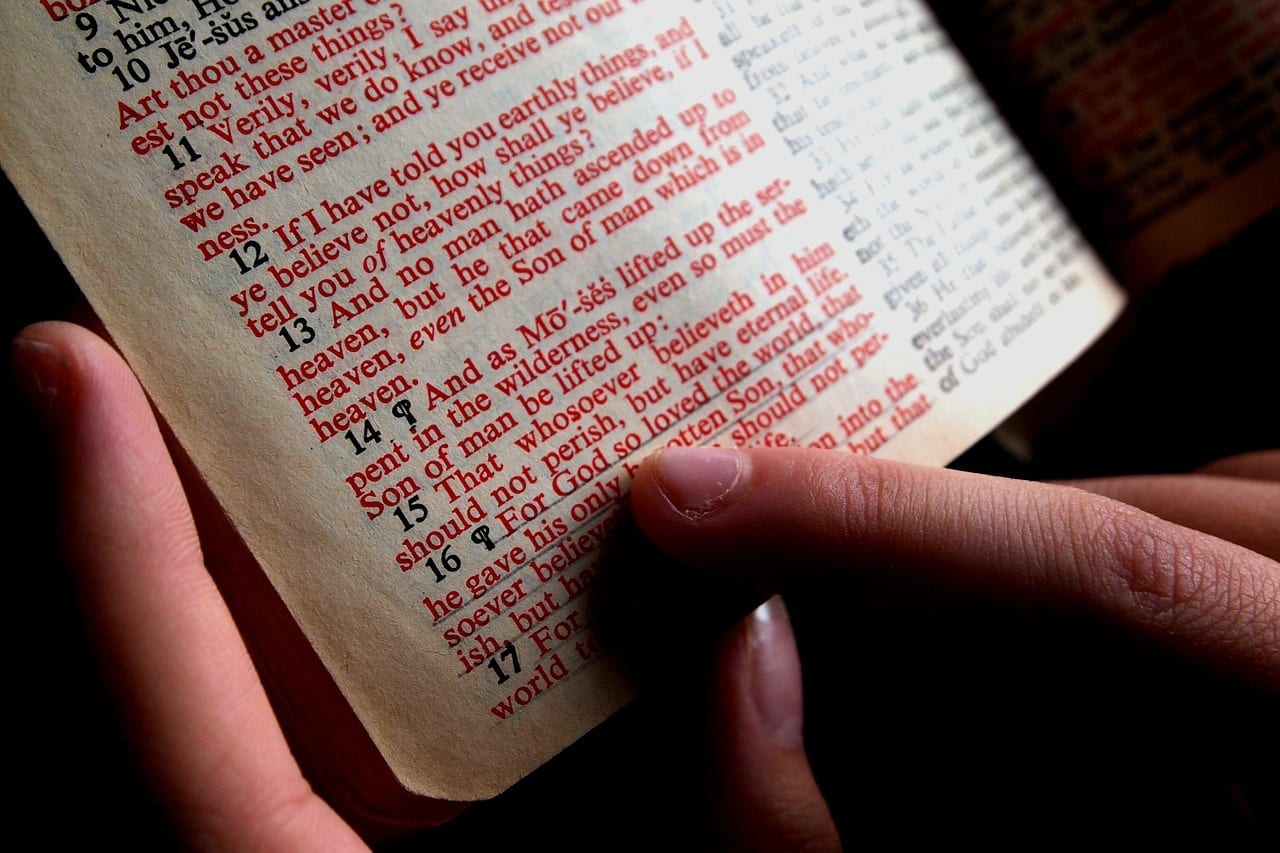
Anglicans read 4 passages of Scripture during Sunday worship. Out loud.
So do some other traditions, Roman Cosmic, Orthodox, Lutherans and others. Nosotros're non competing with our fellow believers in other traditions, but we exercise read a lot more Scripture in our worship than most Bible churches exercise (intentional friendly barb).
Why do nosotros practise this? How do nosotros select the readings? How tin other churches offset doing this?
Why Read Scripture Out Loud
Hither is a bully reason: Paul literally told united states of america to read Scripture publicly, out loud. He wrote to Timothy, "devote yourself to the public reading of Scripture, to exhortation, to teaching." And to the Thessalonians, "I put you lot under oath earlier the Lord to take this letter read to all the brothers."
Jesus stood upwards in the Synagogue and read Scripture. The Jews read Scripture out loud together because Deuteronomy says to do so, "Gather the people to me, that I may let them hear my words, so that they may larn to fright me all the days that they live on the earth, and that they may teach their childrenand then.'"
Reading Scripture publicly should really non be seen as optional. Its non the aforementioned equally reading alone by yourself. And its not the aforementioned equally simply hearing one passage read earlier a sermon. Reading Scripture aloud is its own thing – and it is an ancient, biblical, and helpful practice.
Which Books?
We read from the Old Attestation, the Psalms, the Gospels, and the Epistles.
Reading from the Old Testament is of import. It is the book that prepares the style for Jesus Christ. Information technology connects the states with the People of God all the fashion dorsum to the creation of humankind.
Reciting a Psalm together is the biblical style to praise and pray as a response to the balance of the readings.
Reading from the Epistles fulfill's Paul's directive to read the Letters aloud, and pass them along. These letters also teach us the meaning and effect of the Gospel.
Reading from the Gospels is the capstone moment. This is where we hear the words and deeds of our Lord. As the Head of the Church, he speaks to us.
Which Passages
We don't select the passages to be set up locally (with exceptions from time to time). Nosotros share a common lectionary (lists of passages assigned to each week).
This is an ancient tradition that goes back even to the Jewish practices before the fourth dimension of Jesus. By sharing the same readings, we are worshipping together with Christians all over the globe.
And the Lectionary also has the effect of keeping the personality of the priest from overly dominating the themes and focus of worship. The priest may not mean to do so, but if ane person selects all the readings personally, all year long, they volition inevitably follow a narrow pattern of personal interest.
How to Read Scripture in Worship
First, preach a shorter sermon. You don't demand to preach for 35 minutes when more Scripture is beingness read. Let the Bible speak, and so preach on one aspect, particularly with the Gospel lesson every bit the master focus.
Second, train people to read. Nosotros print out the lessons and oftentimes email them to people before worship. Most Anglican churches have a schedule of trained readers. Encourage people to use a normal reading voice (rather than a religious sounding vocalization). Its too a not bad way to become young people involved in worship. And encourage everyone to bring a Bible and read along.
Third, utilize a Lectionary. My church has recently published a lectionary adapted from the Mutual Lectionary. It is gratis for any church building to adopt.
Fourth, provide introductions and responses. Anglicans traditionally say "A reading from… [book], [chapter] and kickoff at verse [number]" before the OT and Epistle lessons. Afterward, the reader says, "The Discussion of the Lord" and the People reply, "Thanks be to God."
For the Psalm, it is traditional to read responsively (reader says ane function and the people the next). After the Psalm it is customary to say the Gloria Patri.
The Gospels are announced: "The Holy Gospel of our Lord Jesus Christ According to [Gospel Author]" and the People respond, "Celebrity to You, Lord Christ." Afterwards reading, the deacon or reader says, "The Gospel of the Lord." and the People respond, "Praise to You, Lord Christ." It is customary to make the niggling sign of the cross before the reading.
Finally, no matter what, don't cease reading Scripture. This is a not-negotiable for whatsoever Christian church. And information technology will behave Gospel fruit.
Share This!

Source: https://anglicancompass.com/scripturelessons/
0 Response to "The Psalms May Be Read Responsively or Antiphonally"
Post a Comment